· · Paula C
Looking for an Open Source Alternative to OneNote? Try Zero-Knowledge Encryption Instead
Looking for an open source alternative to OneNote? Top choices include Joplin for Markdown-based syncing and Logseq for privacy-first outlining. For those seeking zero-knowledge encryption without the complexity of self-hosting, tools like SimplyBoard provide client-side AES-256 encryption, ensuring your notes remain private and accessible even offline.
Searching for an open source alternative to OneNote usually stems from a desire for data sovereignty. While Microsoft OneNote is a powerful tool for freeform note-taking, its reliance on proprietary cloud storage and the lack of true zero-knowledge encryption means your data is technically accessible by the service provider. In 2026, the landscape for private note-taking has shifted toward tools that prioritize client-side encryption and local-first data ownership.
Why Is OneNote Not Truly Private?
Microsoft OneNote stores your notebooks in OneDrive. While the connection to the server is encrypted (TLS/SSL) and the data is encrypted at rest on Microsoft servers, Microsoft holds the keys. This is known as encryption-at-rest, but it is not zero-knowledge encryption. If a government entity requests access or if an internal system is compromised, your notes could be read.
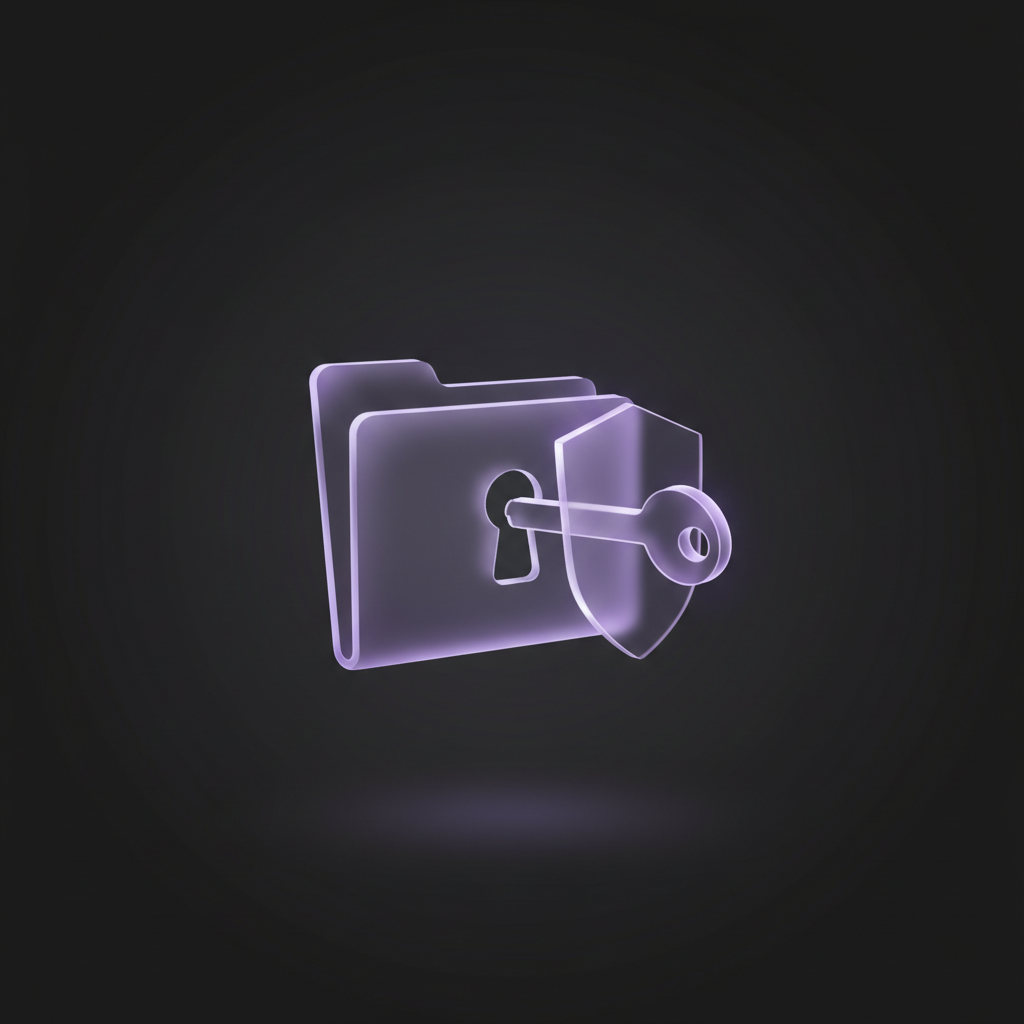
For users seeking an open source alternative to OneNote, the goal is often to find a tool where the developer cannot see the content of the notes. This is achieved through end-to-end encryption (E2EE), where the encryption key is derived from your password and never leaves your device.
What Are the Best Open Source Alternatives to OneNote?
Several projects have matured to provide the flexibility of OneNote without the privacy trade-offs.
Joplin: The Most Direct Replacement
Joplin is frequently cited as the premier free onenote alternative. It supports a wide range of features including Markdown editing, web clipping, and synchronization across devices via OneDrive, Dropbox, or its own Joplin Cloud.
Joplin is a free, open-source note-taking app focused on privacy and flexibility. Notes are stored in Markdown, and end-to-end encryption is available to ensure only you can access your data.
Unlike OneNote, Joplin allows you to choose your sync target, giving you control over where your encrypted blobs are stored.
Logseq: The Outliner Approach
If you use OneNote for structured thinking and interconnected ideas, Logseq is a powerful onenote free alternative. It is a privacy-first, open-source knowledge base that works on top of local Markdown or Org-mode files.
Logseq is the open-source rival to Obsidian, built specifically around the "Daily Journal" and "Bullet Outliner" philosophy.
Logseq is particularly effective for users who find OneNote’s hierarchical folder structure too rigid. It uses a graph-based approach where every bullet point can be a page, allowing for a "second brain" workflow.
How Do You Self-Host a OneNote Alternative?
For the ultimate level of control, many users look for a self-hosted open source alternative to OneNote. This involves running the server software on your own hardware or a private VPS.
- Nextcloud Notes: If you already run a Nextcloud instance, the Notes app provides a simple, Markdown-based interface that syncs across all your devices.
- Trilium Notes: This is a hierarchical note-taking application with a focus on building large personal knowledge bases. It supports a "web clipper" and has a highly customizable interface.
- Standard Notes: While the core is open source, it focuses on extreme longevity and best encrypted notes app standards. It uses AES-256 encryption and is a strong contender for those who want a "set it and forget it" private notebook.
Can You Get Open-Source Privacy Without the Setup Hassle?
The primary drawback of many open-source tools is the "maintenance tax." Setting up sync servers, managing WebDAV connections, or manually handling Markdown files can become a full-time job. Many users want the privacy of an open-source tool but the speed and convenience of a modern web app.
This is where the concept of zero-knowledge architecture becomes more important than the license itself. A tool doesn't necessarily have to be open source to be private, provided it uses audited, client-side encryption protocols.
The Problem with Traditional Cloud Sync
In a traditional cloud app, the flow looks like this:
- You type a note.
- The app sends the plain text to the server.
- The server saves it to a database.
- The server encrypts the database.
In this model, the server sees the plain text during the "transit" and "processing" phases.
The Zero-Knowledge Flow
In a zero-knowledge notes guide workflow, the process changes:
- You type a note in your browser or app.
- Your device derives an encryption key from your password using a memory-hard algorithm like Argon2id.
- Your device encrypts the note using AES-256-GCM.
- The encrypted "blob" is sent to the server.
- The server stores the blob but has no way to decrypt it.
Why Choose a Search-First Workflow Over OneNote Folders?
OneNote relies heavily on the "Binder" metaphor: Notebooks > Sections > Pages. While this feels familiar, it often leads to "digital hoarding" where notes are buried and never found again. Modern personal knowledge management favors a search-first approach.
Instead of clicking through three levels of folders, a search-first app allows you to hit a keyboard shortcut, type three letters, and instantly jump to the relevant note. This is significantly faster for developer productivity tools where context switching needs to be minimized.
Is SimplyBoard the Right Alternative for You?
If you are looking for an open source alternative to onenote because you want privacy, but you find Joplin too clunky or Logseq too complex, SimplyBoard offers a middle ground.
SimplyBoard is a fast, private, client-side-encrypted notes app. While the server-side code is proprietary, the security model is transparent: every entry is encrypted in your browser with AES-256-GCM before it ever touches a server. We use Argon2id for key derivation, ensuring that even we cannot read your notes.
Key features for OneNote refugees:
- Fast Fuzzy Search: Instant results across all workspaces, ranked by your usage.
- Offline-First: An encrypted IndexedDB cache means you can search and edit without an internet connection.
- Multiple Views: Switch between List, Board (Kanban), Canvas, and Editor views depending on your project.
- Plain Text Sovereignty: Your data is stored as plain text/Markdown and is always exportable, preventing vendor lock-in.
SimplyBoard positions itself as a fast, private alternative to OneNote and other "Big Tech" note apps. It runs on SOC 2 and GDPR-certified infrastructure, providing enterprise-grade security for personal notes. You can start for free and experience a keyboard-first workflow that doesn't sacrifice your privacy.
How to Migrate Your Notes Out of OneNote?
Migrating from a proprietary ecosystem can be difficult because Microsoft uses a complex .one file format. To move to a free apps similar to onenote, follow these steps:
- Export to PDF or Word: For small notebooks, you can export sections manually.
- Use OneNoteMarkdownConvert: There are several community-maintained scripts on GitHub that can parse OneNote files and turn them into Markdown.
- Copy-Paste into a Private App: For the highest fidelity, manually moving your most active notes into a client-side encryption tool like SimplyBoard ensures that your formatting remains intact and your data is immediately protected.
By choosing a tool that prioritizes offline-first architecture, you ensure that your notes are always available, even if the service provider's servers are down or your internet connection fails. This reliability, combined with zero-knowledge encryption, provides the "sovereign" experience that most users are looking for when they search for open source alternatives.
Whether you choose a fully open-source stack like Joplin or a streamlined, encrypted service like SimplyBoard, the goal remains the same: ensuring that your thoughts remain your own. In 2026, there is no longer a reason to settle for "good enough" privacy when professional-grade encryption is available at your fingertips.
Frequently asked questions
What is the best open source alternative to OneNote in 2026?
Joplin is widely considered the best direct open-source replacement for OneNote. It supports Markdown, offers a web clipper, and allows for end-to-end encrypted synchronization across devices using your choice of cloud provider like Dropbox or OneDrive. Unlike OneNote, Joplin gives you full control over your data storage and encryption keys.
Are there any completely free alternatives to OneNote?
Yes, Joplin and Logseq are both free and open-source. Joplin is excellent for traditional note-taking and web clipping, while Logseq is a powerful outliner for networked thought. Both allow you to manage your data without subscription fees, though some optional sync services may have costs.
How does OneNote's privacy compare to encrypted alternatives?
OneNote uses encryption-at-rest, meaning Microsoft encrypts the data on their servers but keeps the keys. A truly private alternative uses zero-knowledge encryption (or end-to-end encryption), where the data is encrypted on your device before being uploaded. This ensures that only you, and not the service provider, can read your notes.
What are the best open-source outliners similar to OneNote?
Logseq and Obsidian are the top choices for outliners. Logseq is fully open-source and focuses on a daily journal workflow with a graph-based structure. While Obsidian is not open-source, it is highly popular for its local-first Markdown files and extensive plugin ecosystem. Both offer more flexibility than OneNote's rigid hierarchy.
Is self-hosting a note app better than using a cloud service?
Self-hosting requires more technical effort, such as managing a server or configuring WebDAV. While it offers maximum control, many users prefer 'zero-knowledge' cloud apps. These provide the same privacy benefits as self-hosting because the service provider cannot see the data, but they handle the infrastructure and syncing for you.
Can I easily move my OneNote data to an open-source app?
Most open-source alternatives use Markdown, which is a universal plain-text format. This makes it easy to export your data and move it to other apps in the future. OneNote uses a proprietary format that can be difficult to export, often requiring third-party scripts to convert notes into usable Markdown files.
Related guides
- Looking for an Assetnote Alternative? Secure Your Research with Zero-Knowledge Notes
- Trello Alternative DSGVO: Why Zero-Knowledge Encryption is the Ultimate Compliance Strategy
- Looking for a Secure Replacement for OneNote? Why Data Ownership Matters in 2026
- The Best Free Alternative to OneNote for Privacy-Conscious Users in 2026